The Art of Worldbuilding — How to Create Fictional Worlds Readers Believe

storycraftart
Introduction
Every fantasy or science fiction story begins with one question: What kind of world do my characters live in? Worldbuilding is more than drawing maps or making up names. It’s about crafting a living, breathing environment where readers feel at home—even if that world is filled with dragons, alien civilizations, or cities floating in the clouds.
Start with Rules, Not Randomness
A believable world has rules. That doesn’t mean you need to write a physics textbook, but you should know how things work. Do people use magic? If yes, what are the limits? Can it cure illness? Can anyone use it, or only a chosen few? Readers get frustrated when worlds feel inconsistent.
Culture Is the Heart of Worldbuilding
Every community has traditions. Think about how people celebrate weddings, mourn the dead, or pass on stories. Do your fictional people value honor, wealth, or knowledge? Even a few cultural details can make your world feel authentic.
Geography Shapes Story
Mountains, rivers, deserts, and forests are more than background—they shape how societies grow. A desert kingdom will value water as treasure. A port city thrives on trade but risks invasion. Geography can create conflict before your plot even begins.
Language and Names Matter
The names of characters, towns, and objects influence how readers perceive your world. Hard consonants often feel harsh (Kargath, Drakthorn), while softer sounds feel gentler (Liora, Elen). You don’t need to invent a full language, but consistency adds immersion.
Examples from Great Writers
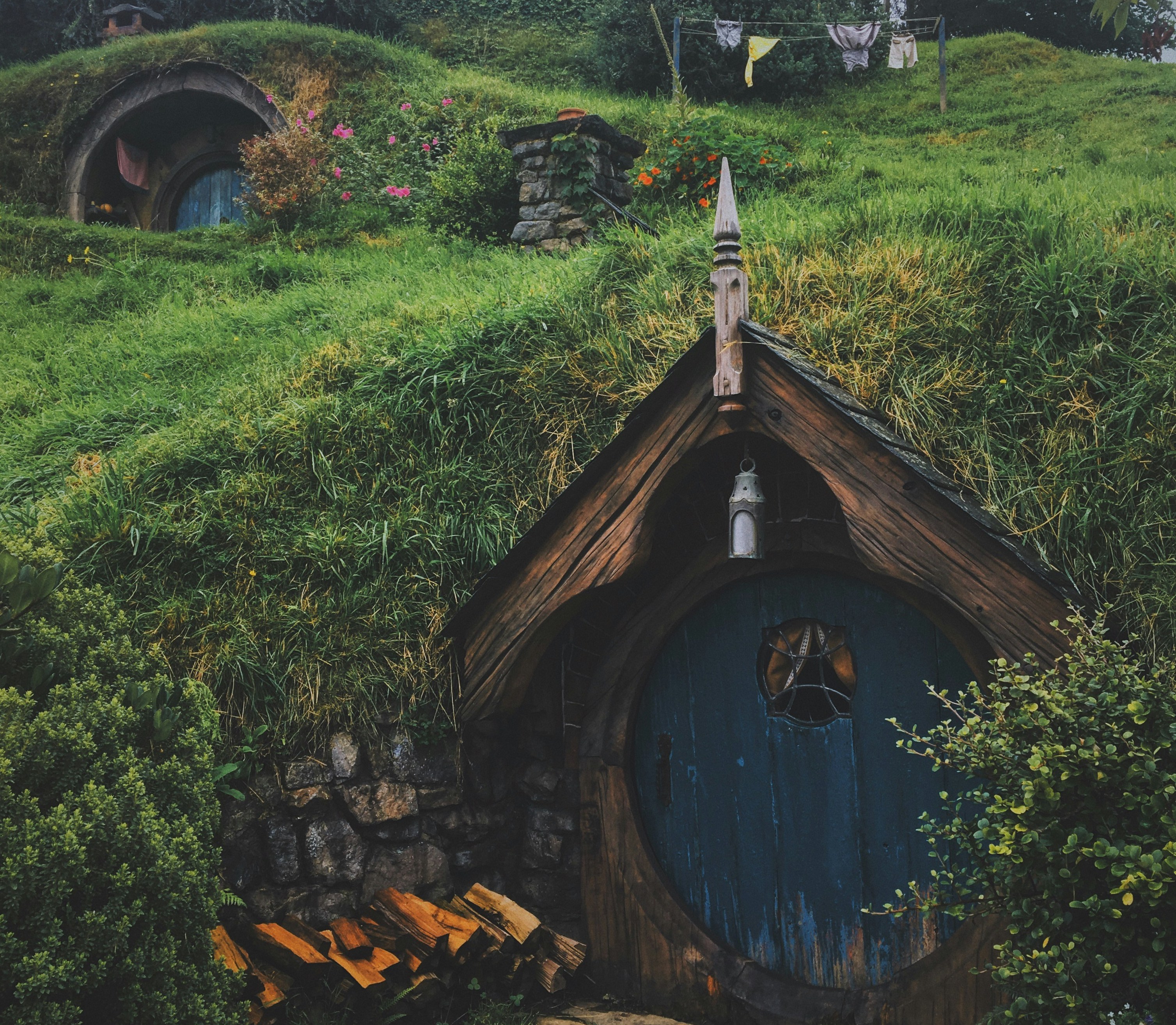
Tolkien’s Middle-earth feels alive because every mountain, forest, and family has history.
N.K. Jemisin’s Broken Earth Trilogy builds societies around survival in a harsh environment.
Conclusion
Worldbuilding isn’t about overwhelming readers with detail—it’s about creating enough structure that your story feels real. Start with rules, culture, geography, and language, and soon your world will be one readers want to explore long after the last page.